
Small Square Polyester Fabric: A Comprehensive Technical and Practical Guide

Feb 09, 2026

Small Square Polyester Fabric is a widely used textile material characterized by its distinctive square pattern and the versatile performance of polyester fibers. This fabric combines structural design with the high-performance attributes of synthetic material, making it popular across fashion, industrial, and functional applications.


1. Introduction to Small Square Polyester Fabric

Small square polyester fabric refers to a type of material in which a grid-like arrangement of small squares is either woven, embossed, or printed onto a polyester base. The squares can be tactile elements woven into the fabric structure (e.g., dobby or jacquard weave), heat-pressed patterns, or printed designs. Regardless of how the squares are created, the underlying fabric is primarily polyester—a synthetic polymer fiber derived from petroleum.

The square pattern is not merely aesthetic; it often serves structural and functional purposes, such as improving breathability, creating dimensional texture, or increasing surface area for coating adhesion.


2. Polyester Fiber: An Overview

2.1. Chemical Composition

Polyester refers to a class of polymers formed through a condensation polymerization reaction between diacids and diols. The most common form is polyethylene terephthalate (PET), defined by repeating ester functional groups in the backbone:

—O—CH₂—CH₂—O—CO—C₆H₄—CO—

This molecular structure yields a fiber with high tensile strength, chemical resistance, and resistance to environmental degradation.

2.2. Production of Polyester Fiber

The production process involves:

  • Polymer Synthesis: PET is created by reacting purified terephthalic acid (PTA) with ethylene glycol (EG) under high temperature and pressure.
  • Melt Spinning: The molten polymer is extruded through spinnerets to form continuous filaments.
  • Drawing: The filaments are mechanically stretched to align molecular chains, increasing strength and crystallinity.
  • Texturizing (optional): Introducing crimps or loops to impart bulk, stretch, or other desired properties.

3. Fabric Construction and Small Square Design Techniques

3.1. Weave-Based Square Patterns

In some cases, the small square effect is woven into the fabric structure itself:

  • Dobby Weave: Uses a dobby loom to lift specific warp threads, creating subtle, repeating square motifs.
  • Jacquard Weave: For more intricate square patterns, allowing complex repeat designs and textural contrasts.

These structural patterns are integral to the fabric and yield enhanced durability and texture.

3.2. Embossing and Heat-Press Techniques

Some small square polyester fabrics rely on surface manipulation:

  • Heat Press/Embossing: Using patterned rollers or plates, heat and pressure create raised or recessed square designs.
  • Mechanical Calendering: Pressure between rollers compresses the fabric to form a defined square grid.

These finishing techniques add dimensional look without altering the yarn structure.

3.3. Print-Based Square Patterns

In certain applications, squares are printed onto a polyester base using techniques such as:

  • Screen Printing
  • Rotary Printing
  • Digital Printing

Printed patterns offer limitless design flexibility but may lack the tactile texture of woven or embossed versions.


4. Technical Properties and Performance Characteristics

Small square polyester fabric inherits the inherent properties of polyester fibers, enhanced or modified by its structural design. Key technical attributes include:

4.1. Mechanical Performance

  • High Tensile Strength: Polyester resists breaking under tension, making it suitable for load-bearing applications.
  • Dimensional Stability: Minimal shrinkage or stretch under stress or temperature changes.
  • Tear Resistance: The square pattern can improve resistance to propagation of tears.

4.2. Environmental and Chemical Resistance

  • Moisture Resistance: Polyester is hydrophobic, repelling water and drying quickly.
  • Chemical Inertia: Low reactivity with acids, alkalis, and many solvents.
  • UV Resistance: Varies with additives; untreated PET may degrade under prolonged UV exposure.

4.3. Thermal Properties

  • Melting Point: Around 250–260°C (482–500°F).
  • Glass Transition: Around 70–80°C (158–176°F).
  • Heat Sensitivity: Polyester softens and melts before burning.

The small square texture can improve thermal airflow when used in garments or technical fabrics.

4.4. Breathability and Comfort

The square pattern can create micro-air channels that enhance breathability, especially when combined with open weaves or mesh structures.

4.5. Aesthetic and Tactile Qualities

The square grid provides visual interest and surface texture, contributing to both fashion and functional aesthetics.


5. Applications Across Industries

Small square polyester fabrics are found in a broad range of sectors:

5.1. Apparel and Fashion

  • Activewear and Sportswear: Breathability and moisture-wicking properties improve comfort.
  • Shirts and Dresses: Textured square patterns add design appeal.
  • Outerwear: Durable and wind-resistant when tightly woven.

5.2. Home Textiles

  • Curtains and Drapery: Patterned fabric adds visual depth.
  • Bedding and Pillow Covers: Polyester’s washability and wrinkle resistance are key benefits.

5.3. Industrial and Technical Uses

  • Bags and Luggage: Strength and tear resistance are essential.
  • Outdoor Gear: Tents, awnings, and canopies benefit from water resistance.
  • Upholstery: Durable surface with aesthetic texture.

5.4. Automotive and Aerospace

  • Seat Covers and Interiors: Polyester’s durability and ease of cleaning are advantageous.
  • Panels and Linings: Textured patterns enhance grip and finish.

6. Advantages of Small Square Polyester Fabric

6.1. Durability and Strength

Polyester’s high tensile strength and abrasion resistance make the fabric long-lasting.

6.2. Easy Maintenance

  • Washability: Machine washable and quick-drying.
  • Wrinkle Resistance: Maintains shape with minimal ironing.

6.3. Cost-Effectiveness

Polyester is typically more affordable than natural fibers such as silk or wool.

6.4. Versatility

Adaptable to many forms of fabrication and finishing, including dyeing, printing, coating, and laminating.


7. Limitations and Considerations

Despite its strengths, small square polyester fabric has limitations:

7.1. Breathability Compared to Natural Fibers

While the pattern can improve airflow, polyester is generally less breathable than cotton or linen.

7.2. Static Buildup

Synthetic fibers are prone to static electricity.

7.3. Environmental Concerns

  • Non-Biodegradability: Polyester persists in landfills.
  • Microplastic Shedding: Release of fibers during washing contributes to ocean pollution.

Recycling initiatives (e.g., rPET) partially mitigate these issues.


8. Care and Maintenance Guidelines

To maximize lifespan and performance:

8.1. Washing

  • Machine wash in cold or warm water.
  • Use mild detergents.
  • Avoid bleach unless the fabric is bleach-safe.

8.2. Drying

  • Tumble dry on low heat or air dry.
  • Remove promptly to avoid wrinkles.

8.3. Ironing

Low heat settings recommended; use steam to ease wrinkles.

8.4. Storage

Keep in a dry, cool place away from direct sunlight to prevent fading and degradation.


9. Innovations and Future Trends

Small square polyester fabric continues to evolve:

9.1. Smart Textiles

Integration with conductive fibers or sensors for wearable tech.

9.2. Sustainable Polyester

Increased use of recycled PET and bio-based polyesters to reduce environmental impact.

9.3. Advanced Functional Finishes

Development of antimicrobial, moisture-wicking, and flame-retardant finishes without compromising comfort.


Small square polyester fabric is a versatile, durable, and widely utilized textile with applications spanning fashion, functional products, and industrial uses. Its combination of polyester’s inherent performance characteristics and the structural or aesthetic benefits of the square pattern makes it a compelling choice for designers, manufacturers, and consumers alike.
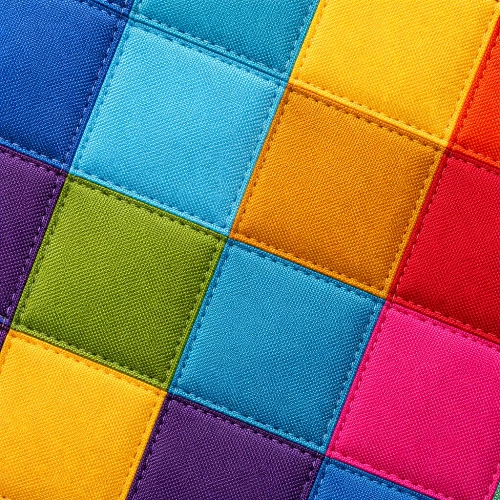

Small Square Polyester Fabric